Pebble Tec vs Plaster: Which Pool Finish Is Right for You?
Choosing between Pebble Tec and traditional plaster is one of the biggest decisions you’ll make when resurfacing your pool. Both have their place, and the right choice depends on your priorities.
Let’s break down the real differences so you can make an informed decision.
Quick Comparison
| Factor | Traditional Plaster | Pebble Tec |
|---|---|---|
| Average Cost (Phoenix) | $5,000-$8,000 | $12,000-$22,000 |
| Cost Per Sq. Ft. | $5-$7 | $10-$15 |
| Lifespan | 7-10 years | 15-25 years |
| Texture | Smooth | Textured (Variable) |
| Warranty | Typically 2-5 years | 5+ years (Material) |
| Stain Resistance | Moderate | Excellent |
Traditional Plaster
What It Is
Standard pool plaster is a mixture of white cement, marble dust (or limestone), and water. It’s been the industry standard for decades and remains the most affordable option for a classic look.
Pros
Lower Initial Cost Plaster typically costs 40-50% less than Pebble Tec upfront. For a standard 12,000-gallon play pool in Phoenix, you might pay roughly $5 to $7 per square foot of interior surface.
Smooth Texture Many swimmers prefer the completely smooth, silky feel of fresh plaster underfoot. It’s particularly gentle on children’s feet and swimsuits compared to aggregate finishes.
Classic Appearance The clean white or light blue look is timeless and makes water appear crystal clear. It provides that traditional “swimming pool blue” that many homeowners grew up with.
Repair-Friendly If a crack develops, plaster can be patched more easily than aggregate finishes. A skilled technician can blend a white plaster patch relatively well, whereas matching a specific pebble blend years later is notoriously difficult.
Cons
The “Start-Up” Labor Here is the hidden cost most people forget. New plaster requires an intensive 28-day start-up process, including brushing the entire pool twice a day for the first two weeks to remove plaster dust.
Shorter Lifespan In Arizona conditions, expect 7-10 years before resurfacing is needed again. The harsh UV rays and chemical heavy usage accelerate the degradation of the porous cement.
Staining Prone Plaster absorbs stains more readily, especially metal stains from well water or organic debris. It is also highly reactive to water chemistry; if your pH drops too low, the acid will etch the smooth surface, turning it rough like sandpaper.
Pebble Tec
What It Is
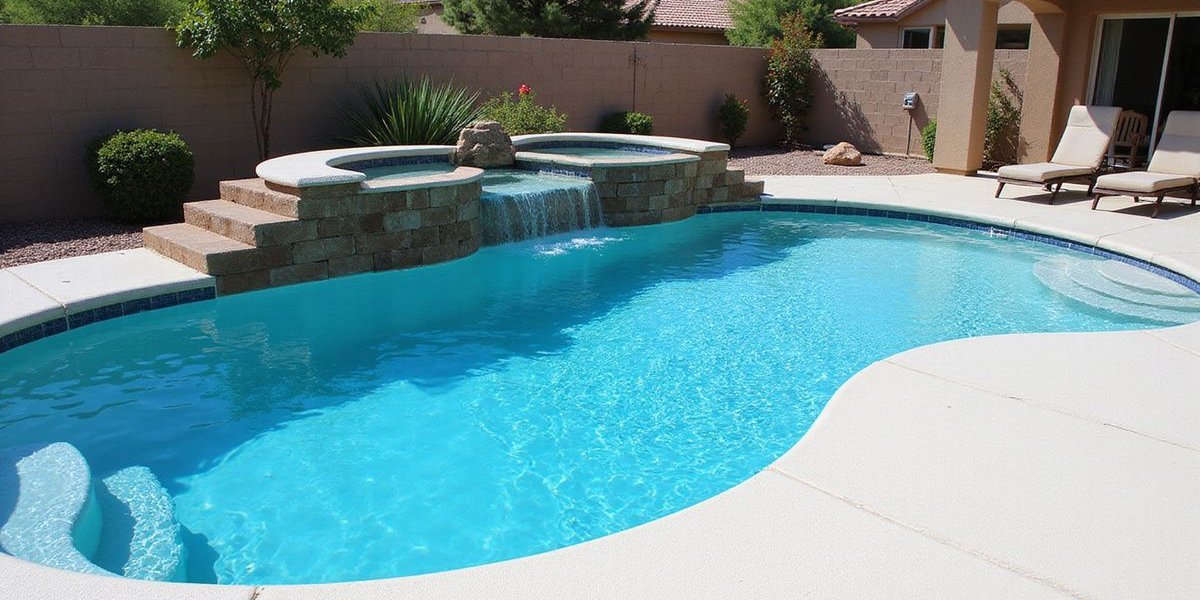
Pebble Tec is a brand-name aggregate finish combining small polished pebbles with cement. The exposed pebbles create the visible surface. While “Pebble Tec” is the famous brand, the category (exposed aggregate) includes competitors like NPT StoneScapes and Wet Edge.
Pros
Exceptional Durability The stone aggregate is naturally harder than cement. While plaster relies on the cement for strength, pebble finishes rely on silica stone, which is virtually non-reactive to pool chemicals.
Stain Resistance The dense aggregate surface resists staining and chemical damage. Because the stones are non-porous, algae has a harder time rooting into the surface compared to the pitting found in older plaster.
Color Options Dozens of pebble blends create everything from tropical blue to natural desert tones. You can achieve a deep “lagoon” look or a bright “Caribbean” teal simply by changing the color of the stones.
UV Resistance It holds color better under Arizona’s intense sun. Unlike dyed plaster which can bleach out over a decade, natural stones retain their hue almost indefinitely.
Cons
Higher Initial Investment Expect to pay $12,000-$22,000 depending on pool size and pebble selection. The application process is more labor-intensive, requiring a specialized crew to hand-wipe the stones to expose them before the cement sets.
Textured Surface Some find the pebble texture rough. The standard “Pebble Tec” line has larger stones (resembling a river bed), which can feel bumpy.
Complex Repairs Matching pebble patches to an existing surface is challenging. If you develop a structural crack, the repair scar will likely be visible unless you replace the entire floor.
Scale Buildup Visibility While the finish hides dirt well, the calcium scale common in Phoenix water can appear as a white haze on darker pebble colors.
Texture Comparison: The “Sock Test”
Texture is the number one complaint homeowners have after switching to pebble. Here is how we break it down:
- Traditional Plaster: Smooth like a polished countertop.
- Pebble Sheen (or Mini Pebble): Similar to the texture of an orange peel. Smooth, but with grip.
- Original Pebble Tec: Similar to walking on flattened marbles or a river bed.
Pro-Tip: If you have sensitive feet, ask for “Pebble Sheen” or a “Micro Pebble” finish. These use tiny aggregates that offer the durability of stone without the rough profile.
Arizona-Specific Considerations
Hard Water Realities
Phoenix area water is notoriously hard, often testing at 200-400+ ppm (parts per million) for Calcium Hardness coming straight out of the tap.
- Plaster: High calcium levels can cause “calcium nodules” or gray mottling on white plaster.
- Pebble: While durable, dark pebble finishes can show a white “calcium line” at the water level more aggressively than light plaster.
The Heat Factor
Arizona pools endure thermal shock—expanding in the 115°F summer heat and contracting in the winter. Pebble finishes have higher structural integrity and handle this thermal cycling better than a thick layer of brittle plaster.
Water Chemistry Demands
Arizona pools need careful chemistry management. Plaster is “reactive,” meaning it interacts with your water. Pebble is “inert.” If your pH drifts to 8.0 for a week, your plaster suffers. Your pebble finish likely won’t care.
Cost Per Year of Use
Here’s where the math gets interesting. Let’s look at the total cost of ownership over a 20-year period for a standard pool.
Scenario A: Traditional Plaster
- Initial Cost: $7,000
- Resurfacing at Year 10: $9,000 (accounting for inflation)
- Total 20-Year Cost: $16,000
Scenario B: Pebble Tec
- Initial Cost: $15,000
- Resurfacing at Year 10: $0
- Total 20-Year Cost: $15,000
The difference in raw dollars is minimal, but Pebble Tec also means:
- One major construction project in your backyard instead of two.
- 10 fewer years of worrying about surface staining.
- Better appearance throughout its life.
Making Your Decision
Choose Plaster If:
- Budget is your primary concern: You need the lowest upfront cost to get the pool running.
- You plan to move soon: If you are selling the home within 5-7 years, you may not recoup the investment of a pebble finish.
- You prioritize smoothness: You want the absolute smoothest surface possible for water volleyball or sensitive feet.
Choose Pebble Tec If:
- You’re staying long-term: You plan to be in this home for 10+ years.
- You want low maintenance: You prefer a surface that is forgiving of occasional chemistry mistakes.
- You prefer natural aesthetics: You want a water color that mimics nature rather than a bright blue bathtub look.
Consider Quartz as a Middle Ground
Diamond Brite and similar quartz finishes offer a hybrid solution. They mix crushed quartz aggregate into the plaster.
- Cost: Mid-range ($8,000-$12,000).
- Lifespan: 12-15 years.
- Texture: Smoother than pebble, more durable than plaster.
Our Recommendation
For Phoenix homeowners planning to stay in their home, we typically recommend Pebble Sheen or Pebble Tec. The longer lifespan and superior performance against our hard water usually justify the higher upfront cost.
However, plaster remains a solid choice for budget-focused projects or shorter-term ownership. We’re never going to push you toward a more expensive option if it doesn’t fit your situation.
Want to see samples in person and discuss your specific pool? Contact us for a free consultation.
Related Topics
Need Pool Resurfacing Help?
Get expert advice and a free estimate for your pool project. We serve the entire Phoenix metro area.
Get Free Estimate