Variable Speed Pool Pumps: How Much Can You Actually Save?
Your pool pump acts as the heart of your swimming pool circulation system. In Phoenix, where that heart beats all year long to combat our intense heat and dust, it often consumes as much energy as your air conditioner.
We have seen thousands of older pools where the original single-speed pump is still spinning away dollars.
Replacing that outdated equipment with a variable speed pump is usually the single most effective upgrade for reducing monthly overhead. The Department of Energy (DOE) regulation changes in 2021 actually made these pumps the mandatory standard for most filtration systems for a reason.
Let’s break down the actual math, the Phoenix-specific benefits, and why this switch is about more than just electricity.
Single Speed vs. Variable Speed
How Single Speed Works
Traditional single-speed pumps operate on technology that hasn’t changed much in decades. They run at one speed: maximum effort. Imagine driving your car on the Loop 101 stuck in second gear with the engine roaring at 6,000 RPM, regardless of whether you are going 10 mph or 60 mph.
- Fixed Velocity: Operates strictly at 3,450 RPM (rotations per minute).
- Energy Hog: Draws 1,500 to 2,500 watts continuously.
- Constant Noise: Produces a steady drone around 65-70 decibels.
- Inflexible: It cannot adjust flow for simple tasks like running a salt cell or slow filtration.
How Variable Speed Works
Variable speed pumps (VSPs) utilize a permanent magnet motor, the same technology found in electric cars like Teslas. This design allows the motor to adjust its speed with extreme precision to match the specific job required.
- Wide Range: Adjusts from 600 RPM up to 3,450 RPM.
- Smart Consumption: Low-speed operation can use as little as 100 watts.
- Programmable Logic: You can set specific speeds for cleaning, heating, or skimming.
- Integrated Intelligence: Most modern units include onboard computers to optimize flow rates automatically.
The Energy Math
The physics behind pump savings are surprisingly powerful. Pump energy consumption follows the “Affinity Law.” This law states that pump power consumption drops by the cube of the speed reduction.
Cutting the pump speed by half reduces power consumption to one-eighth.
| Speed Setting | Power Used | Daily Run Time | Daily kWh |
|---|---|---|---|
| 3,450 RPM (Full) | 2,000W | 8 hours | 16 kWh |
| 2,400 RPM (70%) | 700W | 10 hours | 7 kWh |
| 1,725 RPM (50%) | 250W | 12 hours | 3 kWh |
Running the pump for 12 hours at low speed filters more water than 8 hours at high speed, yet it uses a fraction of the electricity.
Real Phoenix Savings
Arizona electricity rates vary, but the savings logic holds true across both Salt River Project (SRP) and Arizona Public Service (APS) territories.
We calculate these savings based on a conservative average rate of $0.12 per kWh, though peak summer rates can be significantly higher.
Single Speed Pump Annual Cost
- Daily Usage: 16 kWh/day × 365 days = 5,840 kWh/year
- Annual Total: 5,840 kWh × $0.12 = $700/year
Variable Speed Pump Annual Cost
- Daily Usage: 3 kWh/day × 365 days = 1,095 kWh/year
- Annual Total: 1,095 kWh × $0.12 = $130/year
Annual Savings: $570
Payback period on a $1,300-1,600 installation: 2.5 to 3 years.
Once the equipment pays for itself, that $570 per year stays in your pocket for the remaining lifespan of the pump.
Beyond Energy Savings
Longer Equipment Life
The brutal Arizona summer takes a toll on pool equipment. Variable speed pumps run much cooler because the fan-cooled motors are enclosed and generate less internal heat.
- Motor Health: Permanent magnet motors lack the brushes that wear out in induction motors.
- Vibration Reduction: Lower RPMs mean less vibration shaking the plumbing and concrete pad.
- Seal Protection: Lower pressure puts less strain on pump seals and O-rings.
A standard single-speed pump here often fails after 5-8 years. A well-maintained variable speed unit frequently lasts 8-12+ years.
Quieter Operation
Noise pollution is a real issue in dense neighborhoods. At low filtration speeds, variable speed pumps are nearly silent.
- Single Speed: ~65-70 decibels (Loud conversation).
- Variable (Low Speed): ~45 decibels (Quiet library).
You can run the pump early in the morning without waking the neighbors or hearing that familiar hum through your bedroom window.
Better Filtration
Slower water movement actually cleans your pool more effectively.
- Filter Efficiency: Water passes through the cartridge or sand slower, trapping smaller particles (down to 10-20 microns).
- Chemical Distribution: Constant, low-speed circulation keeps chlorine evenly mixed rather than letting it gas off in stagnant water.
- Algae Prevention: Moving water is harder for algae to colonize.
Gentler on Pool Surfaces
We specialize in resurfacing, so we see exactly what high-pressure water does to plaster over a decade. High-velocity jets can erode distinct wear patterns into your pool’s finish.
Lower speeds reduce this “scouring” effect. This preserves the integrity of your pebble, quartz, or plaster surface for years longer than a high-pressure system.
Utility Rebates
Utility providers in Arizona have historically incentivized this technology heavily.
- SRP (Salt River Project): Frequently offers instant rebates or bill credits (often around $100) for ENERGY STAR® certified pumps.
- APS (Arizona Public Service): Rebate programs fluctuate, often focusing on “instant savings” applied at the distributor level rather than a mail-in check.
- Timing: These programs change annually, so verifying the current status before purchase is essential.
Even without a rebate, the monthly energy reduction drives the ROI.
Choosing a Variable Speed Pump
Top Brands We Install
Pentair IntelliFlo3 VSF This unit is widely considered the industry benchmark for reliability.
- Feature: Sensorless flow control maintains flow even as the filter gets dirty.
- Control: Built-in touchscreen and app connectivity.
- Durability: Proven track record in high-heat environments.
Hayward TriStar VS 900/950 Hayward offers exceptional hydraulic efficiency, moving more water with less resistance.
- Value: Often provides a lower price point for high-performance specs.
- Interface: The rotatable digital interface is helpful for tight equipment pads.
- Warranty: specific “Expert Line” models carry extended warranties when professionally installed.
Jandy VS FloPro These pumps are compact and designed for easy retrofitting.
- Integration: Pairs seamlessly with Jandy iAquaLink automation systems.
- Footprint: Smaller physical size fits well on cramped equipment pads common in older Phoenix homes.
Sizing Considerations
Bigger is not always better. A pump must be matched to your specific plumbing and water features.
- Pipe Size: 1.5-inch plumbing restricts flow; a massive pump on small pipes is a waste.
- Total Head: The resistance caused by distance, elevation, and equipment (heaters, salt cells).
- Features: Waterfalls or in-floor cleaning systems require higher minimum flow rates.
Our technicians calculate the Total Dynamic Head (TDH) to ensure the pump you buy can actually deliver the flow you need.
Installation Considerations
Electrical Requirements
Modern pumps are sensitive pieces of electronics.
- Voltage: Most VS pumps require 230V power; some smaller versions work on 115V.
- Protection: Current electrical code usually requires a GFCI breaker for the pump.
- Bonding: The copper bonding wire must be properly connected to the motor to prevent electrolysis and shock hazards.
Plumbing Compatibility
Replacing a pump is rarely a “drop-in” job.
- Unions: We install high-temp unions to make future service easy.
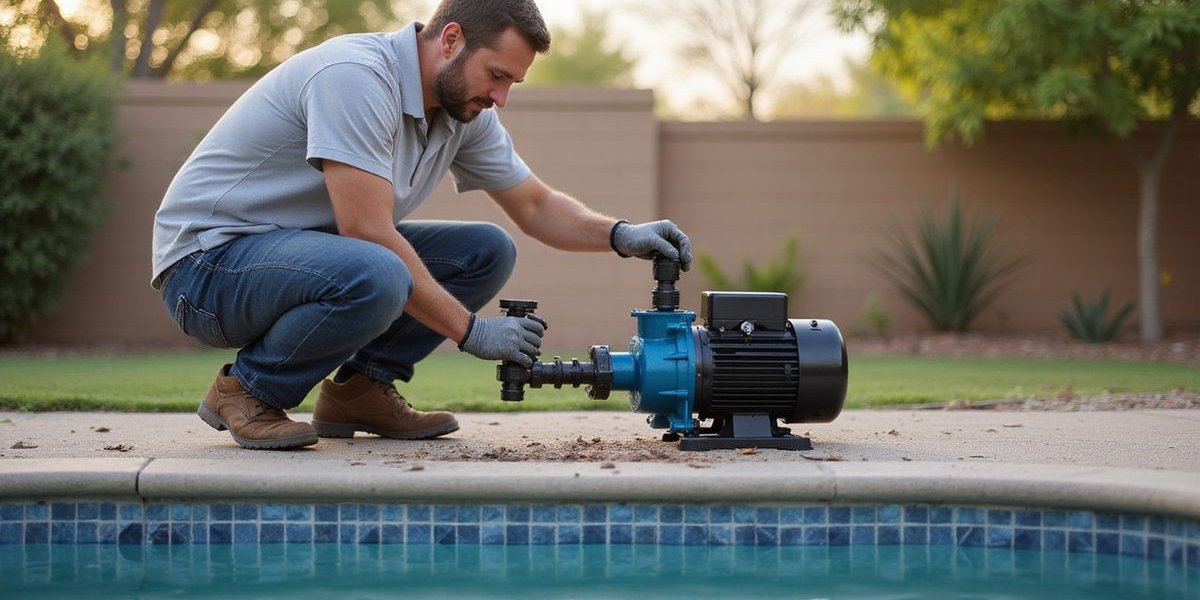
- Clearance: The motor on a VS pump is often longer than older single-speed motors.
- Alignment: PVC plumbing often needs to be reconfigured to align with the new intake height.
Timer/Automation
The old yellow dial timer in your gray Intermatic box becomes obsolete for the pump itself.
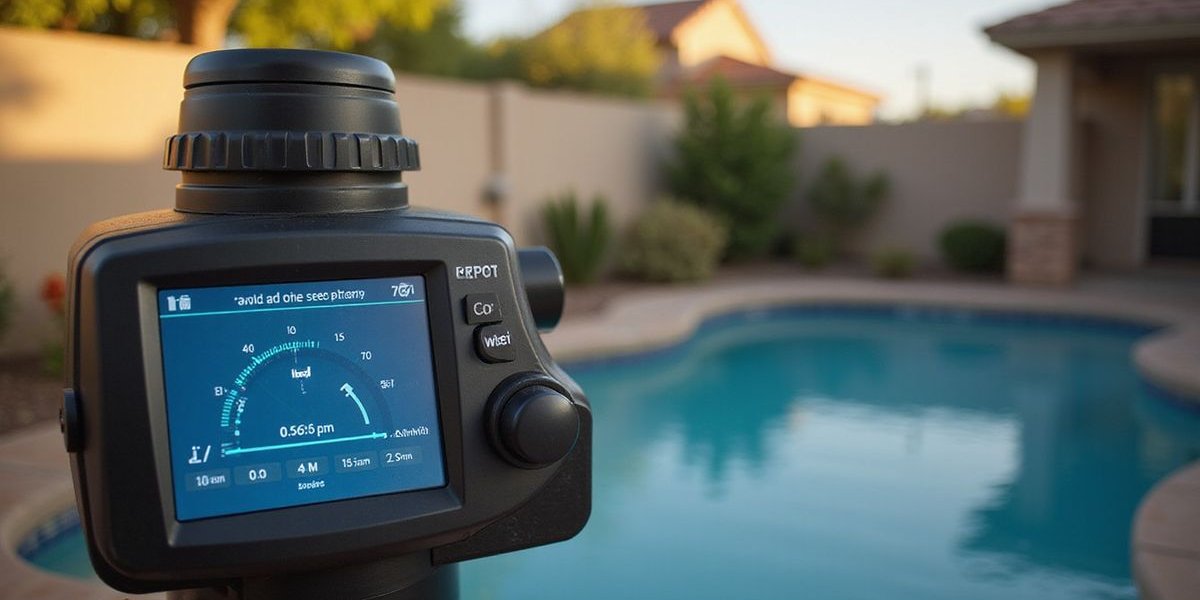
- Onboard Control: The pump has its own computer to handle schedules.
- Continuous Power: The timer box is rewired to provide constant power, using the timer only for the salt cell or lights.
- Smart Home: Many new pumps can connect to your phone via Bluetooth or WiFi for easy adjustments.
Common Questions
Is my pool a good candidate?
Virtually every pool benefits, but pools with large water volumes (15,000+ gallons) see the fastest payback. If you have an attached spa or water feature, the variable speeds allow you to turn up the power only when using those features, saving massive amounts during normal filtration.
Can I install it myself?
We strongly advise against DIY installation for this specific equipment.
- Warranty: Manufacturers like Pentair and Hayward cut warranties significantly (often down to 60 days) if not installed by a licensed professional.
- Programming: Setting the wrong minimum speed can damage your heater or salt cell by starving them of water flow.
- Safety: You are dealing with high-voltage electricity next to water.
What about my cleaner?
Suction-side cleaners (like the “Kreepy Krauly”) work great at lower speeds. Pressure-side cleaners (which have their own booster pump) are unaffected. If you have an in-floor cleaning system, we simply program a “cleaning cycle” at higher RPMs for a few hours, then drop back to low speed for skimming.
Will it work with my heater?
Yes, heaters have a pressure switch that requires a minimum flow rate to fire. We verify this minimum flow requirement (usually 30-40 GPM) and program the pump specifically to maintain that rate whenever the heater is active.
Cost Breakdown
Pump Cost
| Level | Price Range |
|---|---|
| Entry-level VS (1.65 HP) | $900 - $1,300 |
| Mid-range VS (2.2 HP) | $1,300 - $1,700 |
| Premium VS (3.0 HP+) | $1,700 - $2,400 |
Installation Costs
- Standard Labor & Parts: $350 - $550 (Includes high-temp unions and plumbing adjustments).
- Electrical Upgrades: $200 - $450 (If GFCI breakers or new wiring runs are needed).
- Automation Setup: $250 - $500 (Integration with existing AquaLink or EasyTouch systems).
Total Investment
A typical comprehensive installation in the Phoenix market lands between $1,400 and $2,400.
Return on Investment
| Usage Scenario | Annual Savings | Payback Period |
|---|---|---|
| High Usage (Year-round/Large Pool) | $600+ | ~2 Years |
| Average Usage | $450 - $570 | ~3 Years |
| Seasonal Usage | $300 - $400 | ~4 Years |
Following the payback period, the pump generates “profit” in the form of avoided costs for the next decade.
Our Recommendation
For Phoenix pool owners, upgrading to a variable speed pump is the most logical mechanical upgrade available.
We see the difference immediately in water clarity and customer satisfaction.
- Financial Sense: Saves $450+ annually.
- Comfort: Significantly quieter backyard environment.
- Longevity: Protects your plaster and plumbing from high-pressure wear.
If your current single-speed pump is noisy, leaking, or over 7 years old, do not spend money repairing it. Put those funds toward a variable speed upgrade that will pay you back.
Contact us for a free assessment of your equipment pad and a precise quote on the right pump for your pool.
Related Topics
Need Pool Resurfacing Help?
Get expert advice and a free estimate for your pool project. We serve the entire Phoenix metro area.
Get Free Estimate